Helen MacAlister
the roar o' human shingle
-


Helen MacAlister
Mary Morison
MacDiarmid recognized that the power of direct statement in poetry was a peculiar quality of the Scots language.
ye are na mary morison.
(Ann Edwards Boutelle Thistle & Rose)
(Mary Morison - Robert Burns)
2006
oil on canvas
each 29.7 x 42 cm
-
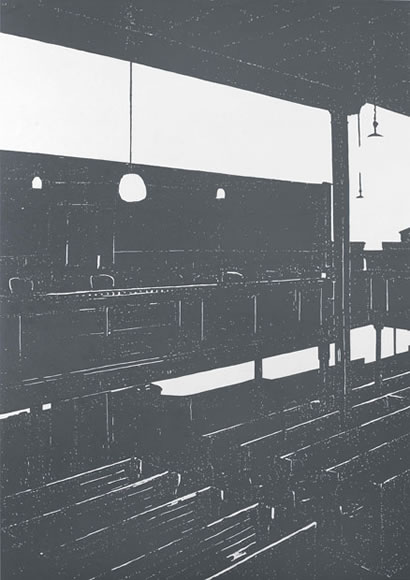
Helen MacAlister
Laird's Loft, a' Chleit
2006
oil on canvas
210 x 148 cm
-
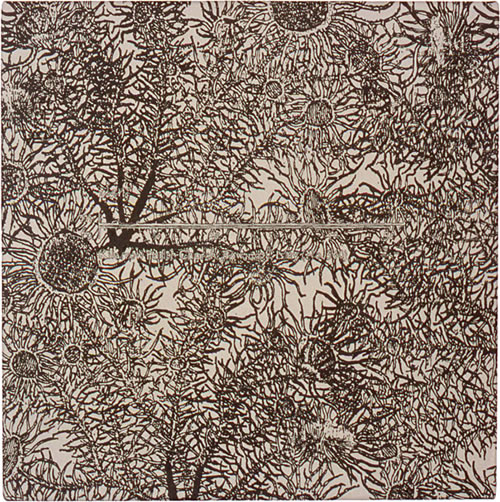
Helen MacAlister
Bowmore Lichen
2006
oil on canvas
30 x 30 cm
-
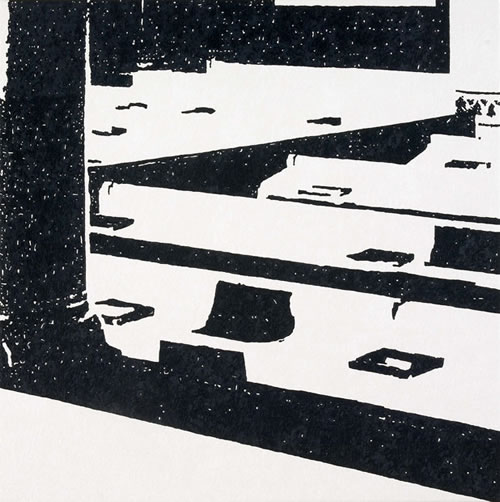
Helen MacAlister
Ìle
2006
oil on canvas
46 x 46 cm
-
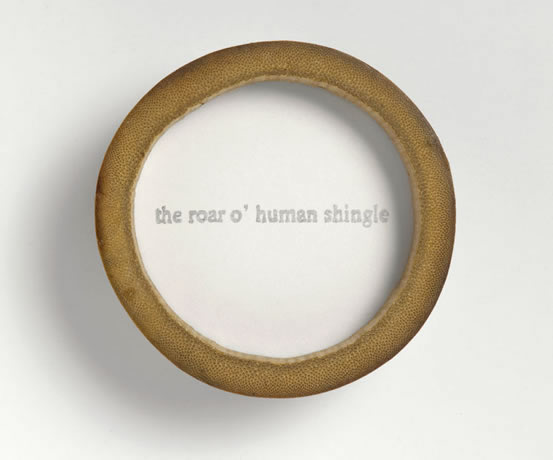
Helen MacAlister
Roar o'
2006
circular framed drawing, pencil on paper
10 cm
-
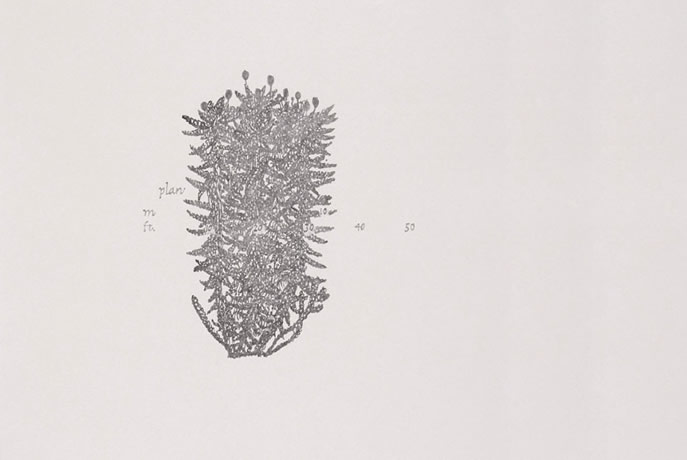
Helen MacAlister
Moss Plan
2006
pencil on paper
42 x 29.7 cm
-
![Helen MacAlister<br />
Census: the number of Gaelic speakers in Scotland [detail]<br />
2006<br />
oil on canvas<br />
148 x 105 cm](/site/assets/files/16320/census_detail1.jpg)
Helen MacAlister
Census: the number of Gaelic speakers in Scotland [detail]
2006
oil on canvas
148 x 105 cm
-
![Helen MacAlister<br />
Census: the number of Gaelic speakers in Scotland [detail]<br />
2006<br />
oil on canvas<br />
148 x 105 cm](/site/assets/files/16320/census_detail2.jpg)
Helen MacAlister
Census: the number of Gaelic speakers in Scotland [detail]
2006
oil on canvas
148 x 105 cm
-
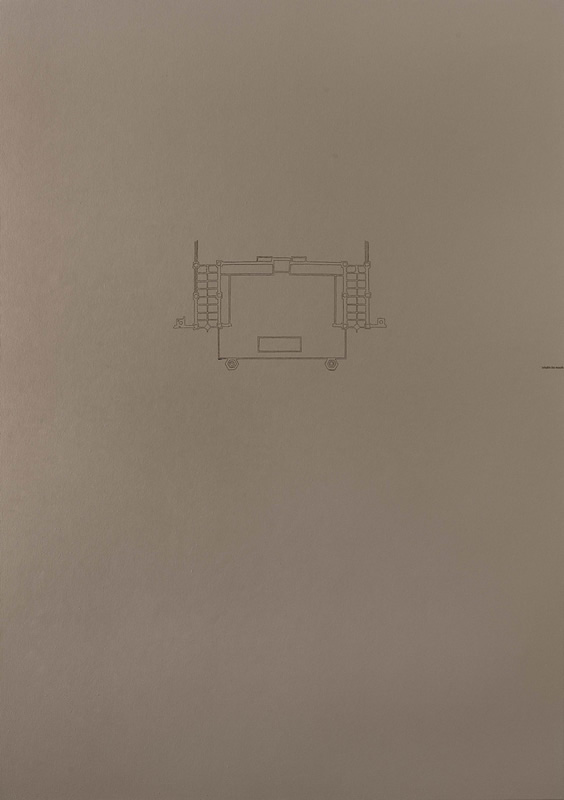
Helen MacAlister
Pulpit
2006
oil on canvas
210 x 148 cm
-
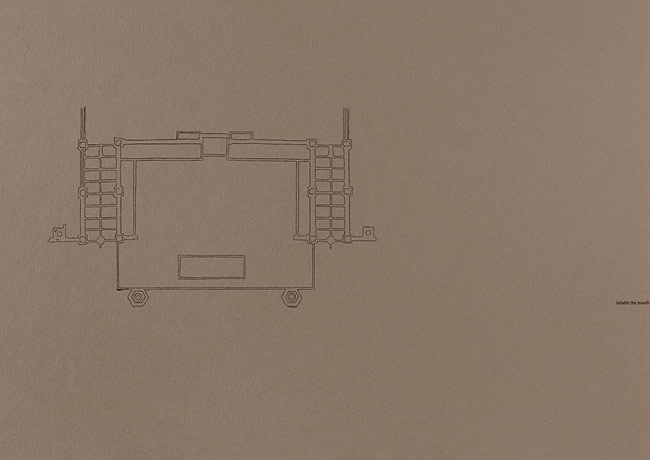
Helen MacAlister
Pulpit (detail)
2006
oil on canvas
210 x 148 cm
-
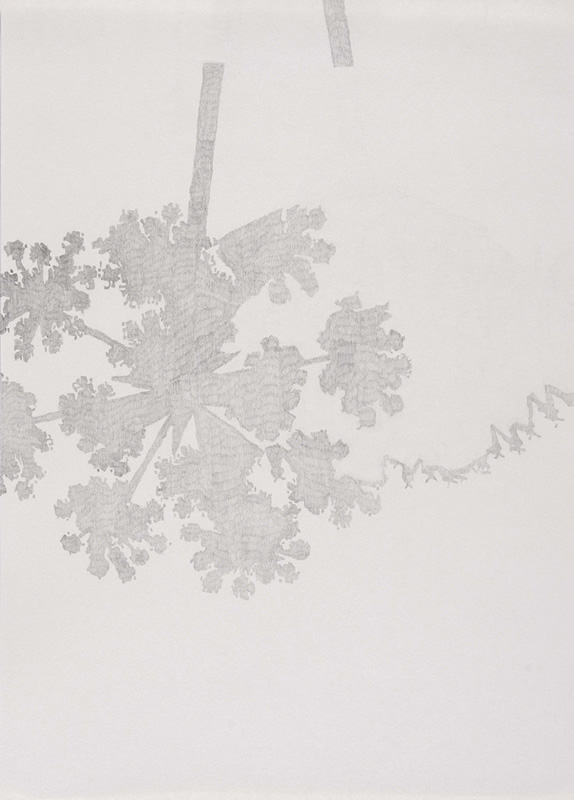
Helen MacAlister
Highland Cure all
-
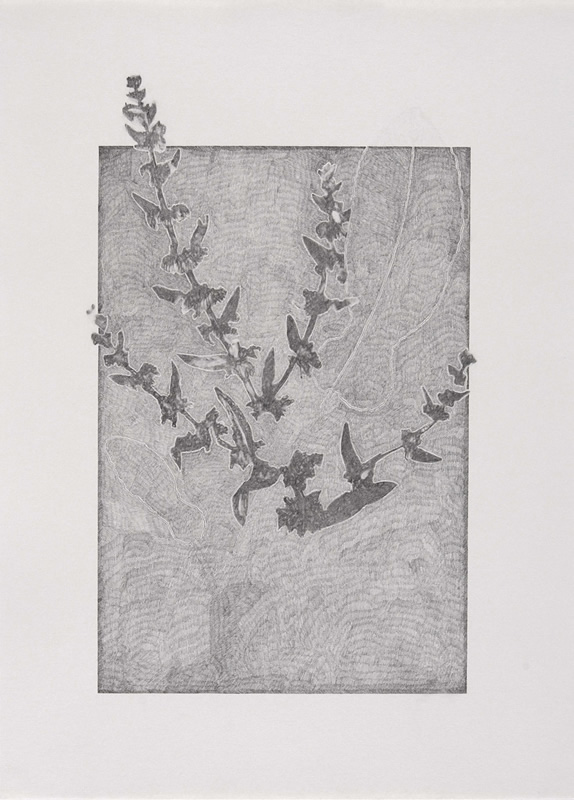
Helen MacAlister
Gart
-
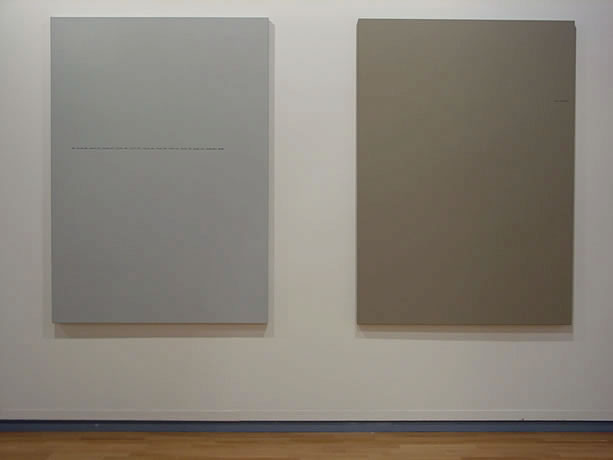
Helen MacAlister
Census: the number of Gaelic speakers in Scotland
2006
oil on canvas
148 x 105 cm
Bruan air bhruan: the sea draining drop by drop
2006
oil on canvas
148 x 105 cm
Helen MacAlister
the roar o' human shingle
17 April to 17 May, 2007
These drawings and paintings touch on ideas of cultural resilience: the resonance of language and place. Language has a physicality, how it feels in the mouth, carrying or implying the very character of a place through intonation, etc. I regard the visual possibilities as akin to MacDiarmid's view of the vernacular as, 'a vast unutilized mass of lapsed observations….a debris of ideas - an inexhaustible quarry.
The botanical references deal with landscape and therefore place. The plant types relate to the condition & position of language and place. Lichen regarded as a pollution detector - paralleling a description of Gaelic as 'like the canary down the mineshaft, the fragile thing that means we're all safe as long as it stays alive.' Primula Scotica (found only on the far north coast & Orkney), for its rarity and preciousness. The orchid for it's inferred worth being, as it is on the list of species protected by law. Sphagnum moss for it's history of being packed as field dressings - the curative. Dock ditto moss - a counteractive remedy. Marram, the belt to hold the land and finally Ligusticum Scoticum (Scots Lovage)said to be a highland cure-all.
The images of (Bowmore) Kilarrow Parish and other church interiors, pews, laird's-loft etc are not employed for any religious significance. Much like the quotations and botanics used, they have through the work's own process, somehow come to fit the interests - language and the culture it embodies. I return to MacDiarmid and his point that '….the vernacular abounds in terms which short-circuit conceptions that take sentences to express in English' - and think this should be conceivable in a form of visual translation also.'